About
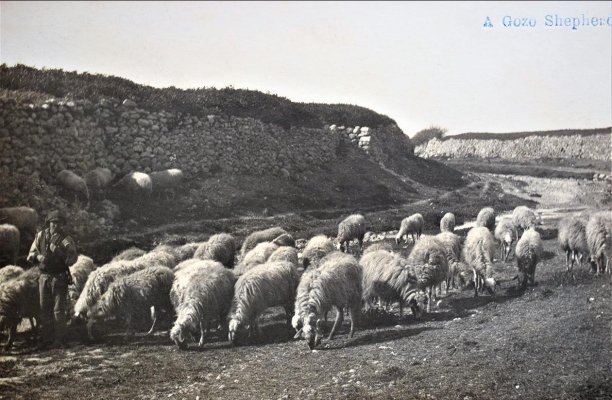
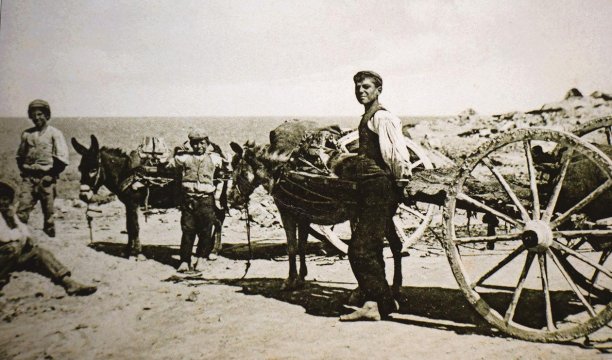
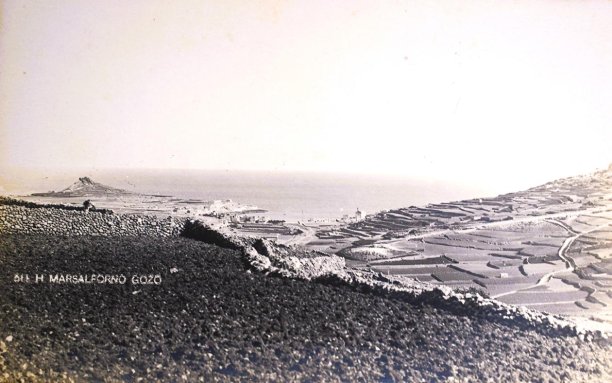
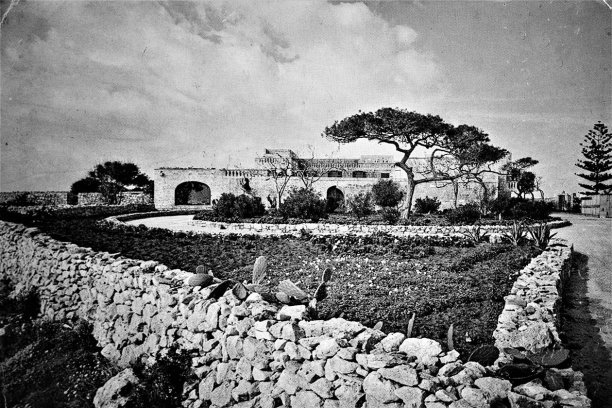
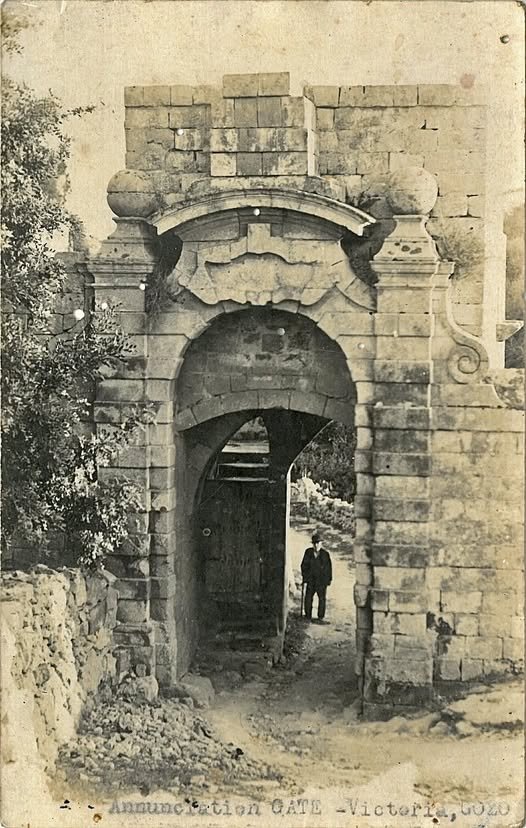
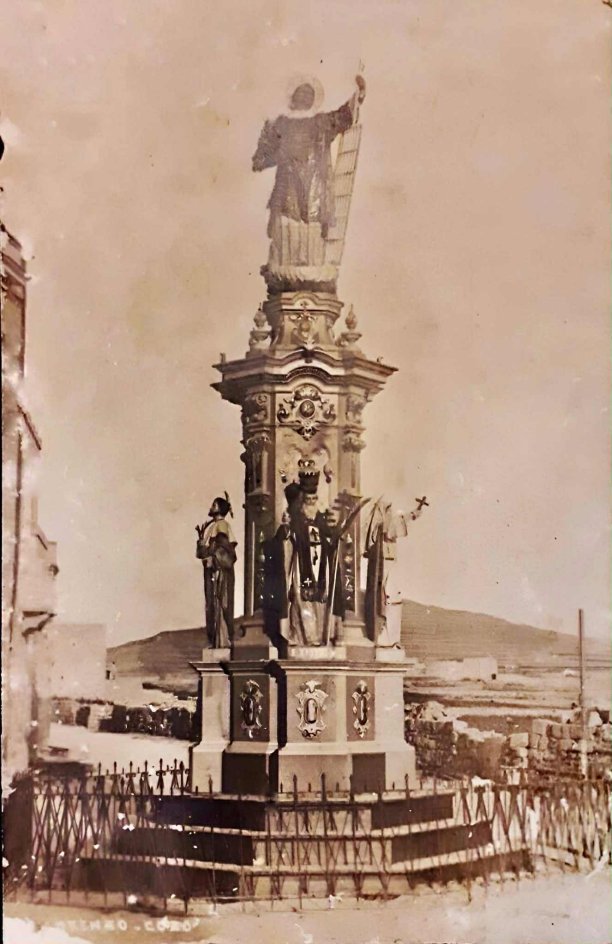
Michele Farrugia, better known as "is-surmast tal-Badiku", was one of Gozo’s earliest and most influential photographers. Active from the early 1900s, he dedicated his life to documenting Gozitan life, culture, and landscapes at a time when photography was still a rare craft on the island. His work remains an invaluable visual record of a past era, capturing both the everyday lives of people and the changing face of Gozo over the decades.
Farrugia's passion for photography started in Xagħra, which was historically known as Caccia before adopting its modern name. His first photographic studio was established in this village, at 1 Strada Corsa (a studio which would be continued by his brother Angelo Farrugia), and he later expanded his work to other key locations, including a building in Nadur’s pjazzetta till 1925, followed by Sir Enrico Mizzi Street (Victoria) and finally 22-24 in Pjazza Savina in Victoria. These studios became important hubs, attracting locals eager to have their portraits taken or to document significant moments in their lives.
Photography in those days required skill, patience, and technical expertise. Farrugia mastered this process, ensuring that his images were detailed, and full of life. His photographs are characterized by their composition and ability to capture emotion—whether it was a bustling marketplace, a religious procession, or the quiet dignity of an elderly villager sitting by their doorway.
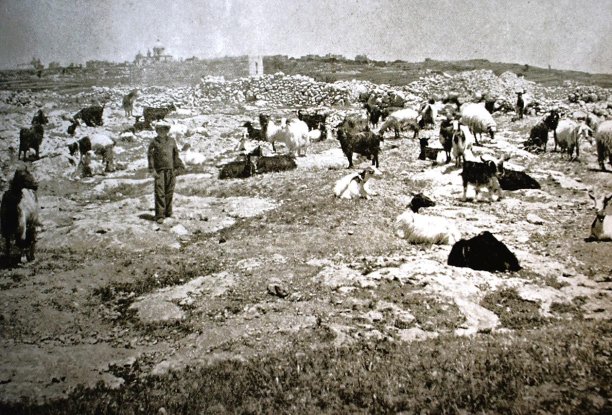
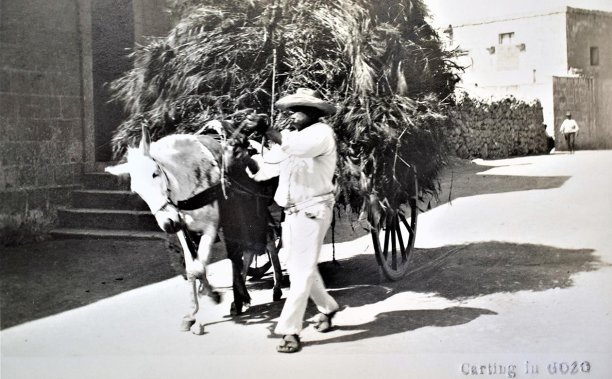
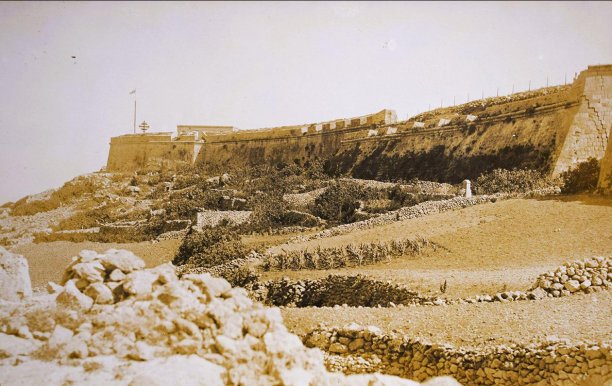
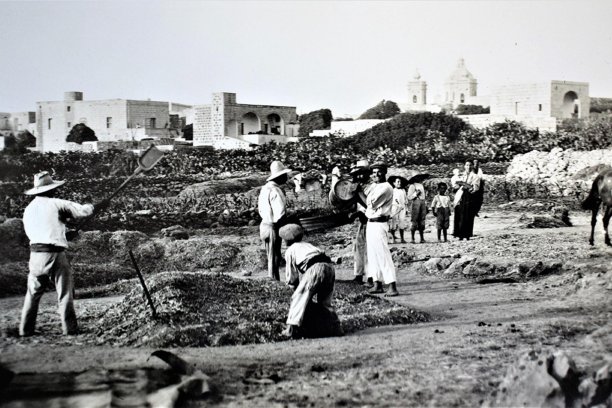
Michele’s work was not just about portraiture; he documented Gozitan social life, architecture, and the rural landscapes that defined the island. Through his lens, festivals, weddings, family gatherings, and even everyday street scenes were preserved, offering future generations a glimpse into Gozo as it once was. His photographs stand as historical testimonies, showing how people dressed, worked, and celebrated in the early 20th century.
One of his greatest contributions was his mentorship of Carmela Buhagiar nee’ Meilak, a talented young woman from Nadur who assisted him in his Victoria studio. Under his guidance, she honed her photographic skills and would later continue his work after his passing, being the first Gozitan female photographer. This was a significant achievement, as women in the early 20th century rarely had opportunities to take on such professions.
Michele Farrugia continued working until shortly before his death in 1957, leaving behind a vast photographic archive that is still treasured today. His work remains one of the most significant visual records of Gozo’s transformation during the first half of the 20th century. His dedication to preserving the island’s heritage through photography has cemented his legacy as a pioneering documentarian of Gozitan life, ensuring that future generations can appreciate the rich history he so meticulously captured.