Xlendi Bay
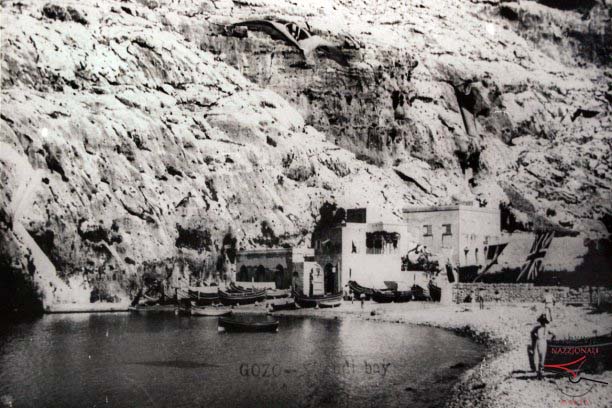
A 1920s photograph of Xlendi Bay featuring several fishing boats lined along the shore, suggesting the occasion of a local celebration. The rocky cliffs provide a dramatic backdrop, while the quaint stone buildings reflect the traditional coastal architecture of Gozo.
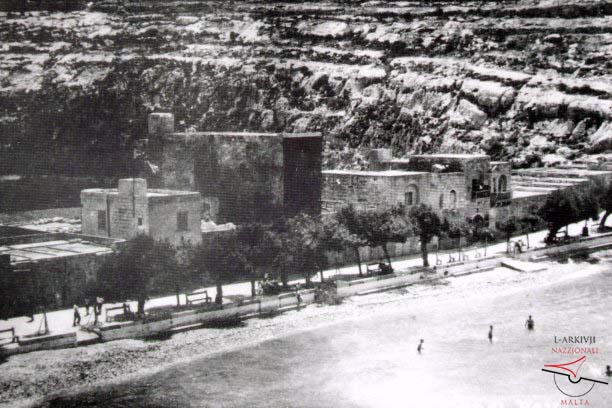
A tranquil view of Xlendi's waterfront in the early 1930s, showcasing il-Port with its historic stone buildings nestled against the rugged hillside. A tree-lined promenade stretches along the shoreline, dotted with benches and scattered pedestrians, embodying the serene charm of the era. The pebble beach and calm waters provide a glimpse into Xlendi's early role as a quiet fishing and leisure village, steeped in simplicity and natural beauty.
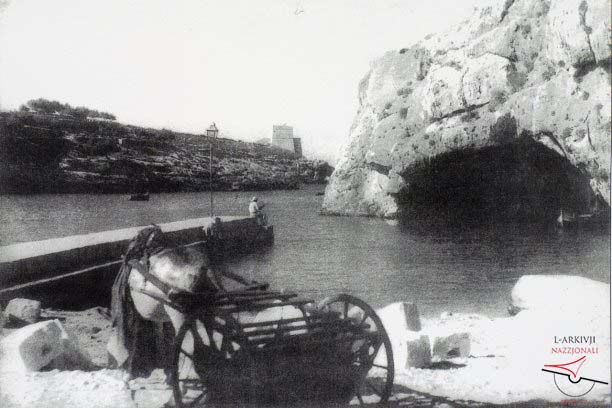
This 1950s photograph showcases the serene Xlendi Bay with its iconic cave, a natural landmark cherished by locals and visitors alike. The image captures a traditional wooden cart and a mule by the water's edge, reflecting the agricultural and fishing lifestyle of the time. In the background, the Xlendi Tower stands as a sentinel over the bay, adding a historic touch to this tranquil coastal scene.

This black and white photograph, taken in 1957 at Xlendi bay, captures young Bruce Williams standing on the rocky shoreline, gazing at the camera. Dressed in simple swimwear, he appears relaxed, enjoying a peaceful day by the sea. In the background, a group of children swims in the calm bay while limestone buildings, trees, and a small pier line the shore. A statue and parked vehicles suggest a modest but lively seaside village setting. Captured by his father, Maldwyn E. Williams, this image preserves a timeless moment of childhood in a tranquil Mediterranean landscape.
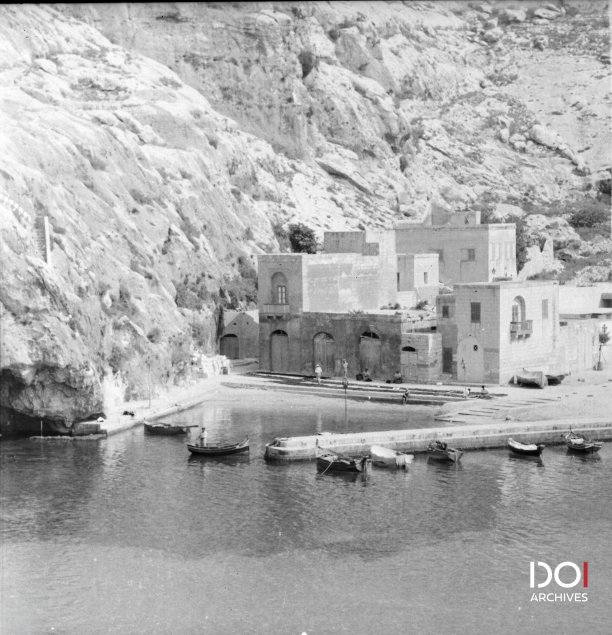
A historic glimpse of Xlendi Bay, showcasing its quiet charm before modern development. The image captures the serene waterfront with traditional boats floating in the calm waters. To the left, Tad-Dghajjes Cave is visible at the base of the cliffs, with the iconic zigzagging stairs leading up towards the rugged landscape. The modest stone buildings lining the shore reflect the simple yet functional architecture of the time.
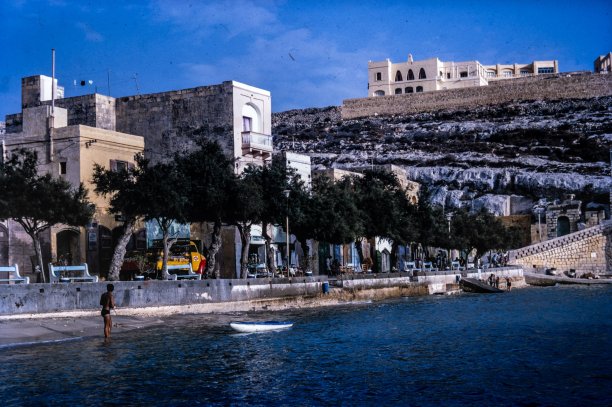
A vibrant scene at Xlendi Bay, Gozo, showcasing the waterfront with traditional limestone buildings and lush trees lining the promenade. A young child stands at the water’s edge, gazing at a small boat floating on the gentle waves. In the background, terraced hills rise towards the iconic Xlendi Hotel, which overlooks the bay. The picturesque setting captures the charm of this beloved seaside village, known for its fishing heritage and tranquil waters.

A vibrant view of Xlendi Bay, a picturesque coastal village in Gozo, with traditional buildings lining the waterfront. The calm, deep blue waters of the bay reflect the rugged limestone cliffs and terraced hills that surround the area. The scene captures the charm of this fishing village, with boats moored near the shore and cars parked along the promenade. Lush greenery in the foreground frames the image, adding depth and contrast to the warm, earthy tones of the landscape.
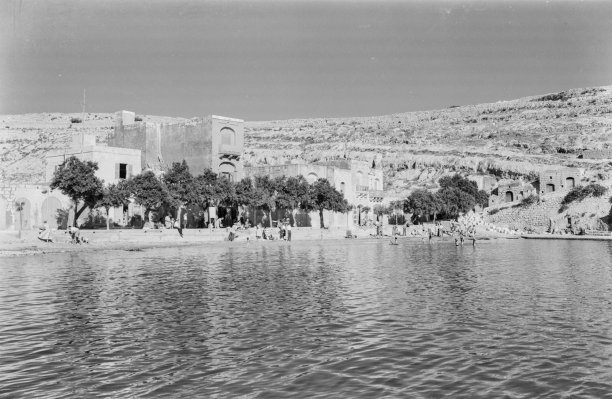
A lively summer scene at Xlendi bay with families and children enjoying the shallow waters near the shore. Traditional Gozitan architecture lines the waterfront, nestled beneath the terraced hillside. Trees provide welcome shade along the promenade, while the stone arches and steps visible to the right hint at Xlendi’s old boathouses and caves.
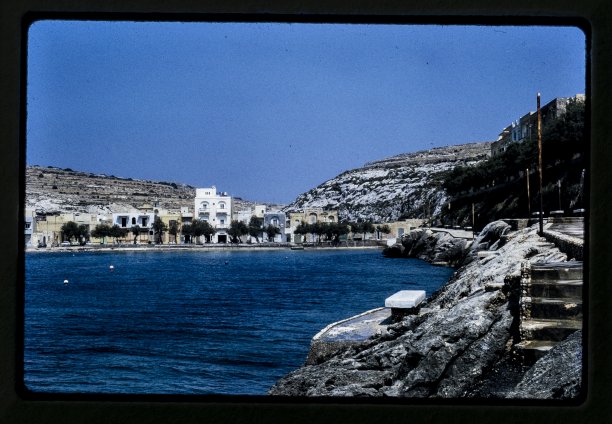
A serene photograph capturing Xlendi Bay in its earlier days, with its deep blue waters gently meeting the rocky shoreline. On the far side, a quaint row of buildings lines the bay, framed by terraced cliffs and arid hills. The steps on the right lead down to the sea, inviting visitors for a refreshing swim or stroll along the edge. The untouched charm of the area reflects a quieter, simpler time in one of Gozo’s most beloved coastal spots.
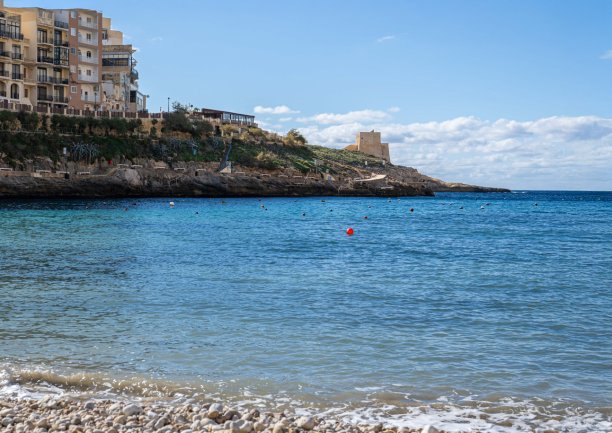
This view of Xlendi bay showcases the striking contrast between modern development and historical heritage. In the foreground, the calm waters gently lap against the pebble shoreline. On the left, contemporary apartments rise above the cliffs, reflecting the village’s expansion into a popular coastal destination. In contrast, the historic Xlendi Tower which was built in the 17th century as a coastal defence, stands resilient in the background.
